October 23, 2025
Understanding Selective Property Licensing Schemes
Learn how selective licensing works under the Housing Act 2004, the key legal criteria councils must meet, and what it means for landlords and tenants.
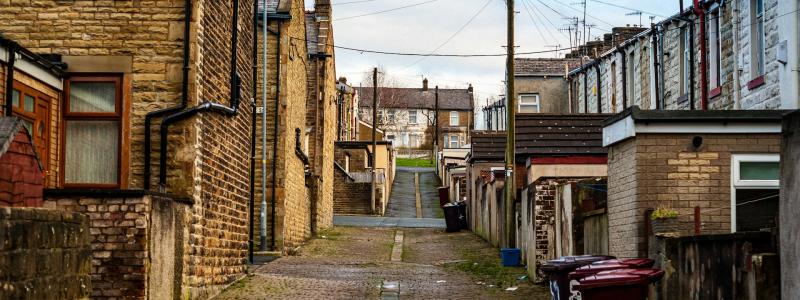
In recent years, more councils across England have introduced selective licensing schemes to regulate private rented housing. These schemes are designed to improve property standards, tackle anti-social behaviour, and protect tenants from poor management. But what exactly is selective licensing, and when can a local authority introduce one?
This article explains the key legal criteria for selective licensing under the Housing Act 2004, how councils justify their schemes, and what it means for landlords and tenants.
What Is Selective Licensing?
Selective licensing is a system that allows councils to require all private rented homes within a designated area to be licensed. It applies under Part 3 of the Housing Act 2004 (sections 79–90).
Once an area is designated, every private landlord who rents out property there must apply for a licence. The licence sets conditions covering:
- The landlord’s suitability and management arrangements
- Property safety and maintenance
- Anti-social behaviour control
- Tenancy management and record-keeping
The aim is simple: to raise standards in the private rented sector and improve neighbourhoods affected by poor housing or management.
When Can Councils Introduce a Scheme?
Councils cannot just introduce selective licensing anywhere. The law only allows it where specific conditions are met.
There are six main criteria, set out in the Housing Act 2004 and the Selective Licensing of Houses (Additional Conditions) (England) Order 2015.
1. Low Housing Demand
A council may introduce a scheme where:
- The area has low demand for housing, or
- It is likely to become low demand, and
- Licensing will help improve or sustain that demand.
Typical signs include:
- High levels of vacant homes
- Frequent tenant turnover
- Falling rents or property values compared with nearby areas
The idea is that better management and higher standards will help stabilise struggling neighbourhoods.
2. Anti-Social Behaviour
Another common reason for selective licensing is persistent anti-social behaviour (ASB). This includes issues such as:
- Noise, vandalism, and intimidation
- Fly-tipping and littering
- Drug use or dealing
To justify a scheme, the council must show:
- ASB is a significant and ongoing problem;
- Some of it is linked to private rented housing; and
- Licensing will help ensure landlords take action to manage or prevent ASB.
3. Poor Property Conditions
Under the 2015 regulations, councils can designate an area if there are:
- High numbers of privately rented homes, and
- Widespread poor conditions, such as damp, disrepair, or unsafe installations.
The goal is to ensure landlords bring their properties up to standard and maintain them properly.
4. High Levels of Migration
Licensing can also be used where:
- The area experiences high levels of migration, and
- Poor housing management or overcrowding has become an issue.
Schemes in these areas aim to stop exploitation and promote fair, safe housing for everyone.
5. High Levels of Deprivation
Selective licensing may target areas with significant deprivation, measured using indicators such as:
- Income, employment, and education
- Health outcomes
- Crime and environment scores
The link between poor housing and deprivation is well-known, and licensing can form part of a wider regeneration strategy.
6. High Levels of Crime
Finally, councils may use selective licensing where crime rates are high and linked to the private rented sector. For example, poorly managed properties being used for illegal activity or contributing to neighbourhood decline.
Licensing gives councils leverage to hold landlords accountable and reduce these risks.
Consultation and Approval Requirements
Before a council can introduce a scheme, it must:
- Carry out a public consultation lasting at least 10 weeks, and
- Consider the views of landlords, tenants, residents, and local businesses.
If the proposed area covers:
- More than 20% of the local authority area, or
- More than 20% of private rented homes,
Then the council must also obtain approval from the Secretary of State.
This safeguard ensures large schemes are properly justified and proportionate.
What Does It Mean for Landlords and Tenants?
All landlords already need things like an annual Gas Safety Certificate, EPC, and deposit protection, but selective licensing goes further.
It means you must:
- Apply for a licence and pay a fee (typically £400–£900 per property)
- Provide up-front evidence of all safety and compliance certificates, including:
- Gas Safety
- Electrical Installation Condition Report (EICR)
- Energy Performance Certificate (EPC)
- Smoke and carbon monoxide alarm checks
- Pass a “fit and proper person” test, confirming no serious convictions, housing offences, or breaches of landlord law
- Meet specific licence conditions, such as property management standards, tenancy record keeping, and prompt repairs
- Agree to proactive inspections — councils can visit to check compliance rather than waiting for complaints
- Maintain good tenancy management, dealing quickly with anti-social behaviour or poor conditions
- Risk civil penalties, rent repayment orders, or banning orders if they rent without a licence or breach licence conditions
For tenants, the benefits include:
- Better property standards
- Clearer accountability for landlords
- Reduced anti-social behaviour and neighbourhood decline
How Are the Criteria Used in Practice?
In practice, councils most often rely on poor property conditions and anti-social behaviour as their main justifications.
“Low housing demand” was common in the early 2000s, but today’s market pressures mean it’s rarely used.
Schemes now tend to focus on raising rental standards, reducing crime, and protecting vulnerable tenants — particularly in high-density urban areas where the private rented sector dominates.
Summary
|
Key Criteria |
Source |
Typical Aim |
|---|---|---|
|
Low housing demand |
Housing Act 2004 s.80(3) |
Stabilise declining areas |
|
Anti-social behaviour |
Housing Act 2004 s.80(6) |
Reduce ASB linked to PRS |
|
Poor property conditions |
2015 Order |
Improve property standards |
|
High migration |
2015 Order |
Prevent overcrowding/exploitation |
|
High deprivation |
2015 Order |
Support regeneration |
|
High crime |
2015 Order |
Tackle crime and neglect |
Final Thoughts
Selective licensing remains a powerful tool for councils to regulate the private rented sector, but it’s not without controversy. Landlords argue that fees and paperwork penalise the good while missing the worst offenders. Tenants and communities, on the other hand, often welcome the improved oversight.
Whether you’re a landlord, tenant, or property professional, understanding the legal basis of these schemes helps you see what councils are trying to achieve — and what responsibilities each party holds in maintaining safer, better-managed homes.


Comments (0)
Want to comment on this page? Login or Register.